
hotel marketing strategies
10 High-Impact Hotel Marketing Strategies for STRs in 2026
Posted on Feb 5, 2026
In a saturated short-term rental market, relying solely on Online Travel Agencies (OTAs) is a strategy for stagnation, not growth. To build a resilient, profitable business, property managers must adopt and master sophisticated hotel marketing strategies that prioritize direct bookings and cultivate brand loyalty. Generic advice falls short; what you need is a concrete playbook of high-impact, actionable tactics proven to attract high-value guests and maximize revenue.
This roundup is designed to provide just that. We move beyond surface-level tips to deliver a comprehensive guide to 10 powerful strategies that leading hospitality brands use to dominate their markets. You won't find vague suggestions here. Instead, each item is a deep dive into a specific discipline, from programmatic SEO that captures niche search demand to automated email nurturing that turns one-time visitors into repeat guests.
We will break down each strategy into:
- A clear explanation of the concept and its importance.
- Concrete implementation steps you can follow immediately.
- Key performance indicators (KPIs) to track your success.
- Practical examples and case notes for context.
The goal is to provide a clear, actionable framework for implementing these advanced hotel marketing strategies to gain a decisive competitive edge, reduce your dependence on third-party channels, and drive sustainable growth for your rental portfolio. Let's get started.
1. Direct Booking Optimization
Direct booking optimization is a foundational hotel marketing strategy focused on encouraging guests to book directly through your property’s website instead of an Online Travel Agency (OTA) like Airbnb or Booking.com. The primary goal is to increase profit margins by eliminating hefty OTA commission fees, which can range from 15-25%. This approach also gives you full control over the guest relationship, brand experience, and valuable customer data from the very first interaction.
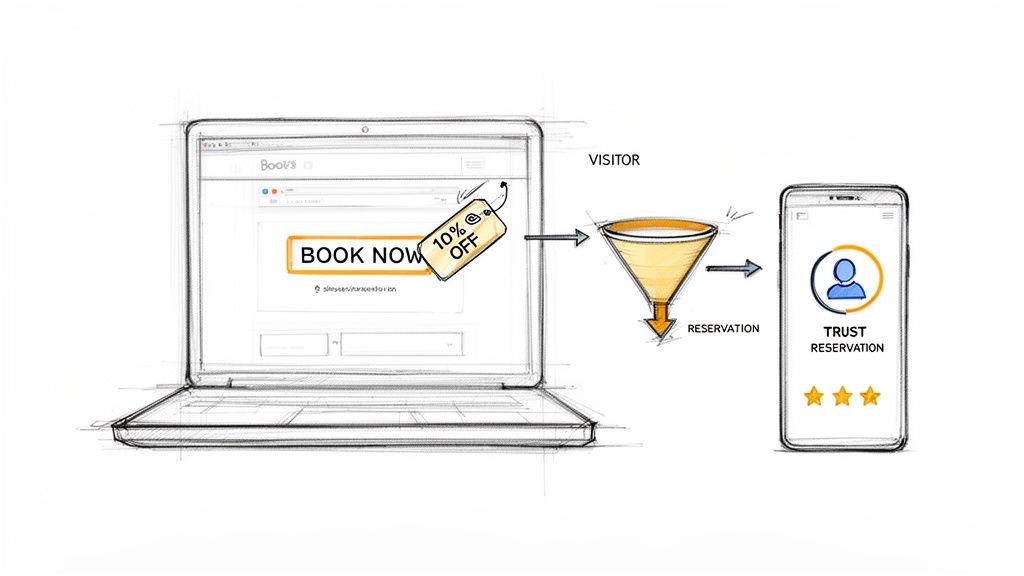
By creating a seamless, trustworthy, and incentivized booking path, you can capture revenue that would otherwise go to third-party channels. It’s about building a powerful, self-sustaining sales engine for your property.
How to Implement It
- Build a High-Conversion Website: Your website must be professional, fast, and mobile-friendly. Use a tool like hostFront to quickly launch a site designed specifically for direct bookings. Prominently display trust signals like guest reviews, security badges, and professional photos.
- Offer Compelling Incentives: Provide exclusive perks that guests can't get on OTAs. This could be a 10% discount, a complimentary bottle of wine, free parking, or an exclusive late check-out. A/B test different offers to see what resonates most with your audience.
- Implement Retargeting Campaigns: Many visitors will browse your site and leave without booking. Use a tool like hostDistro to set up retargeting ads on social media and Google, reminding them of your property and exclusive direct-booking offers.
- Streamline the Booking Process: The booking engine should be simple, intuitive, and require minimal steps. For hotels looking to leverage cutting-edge technology to streamline guest services and drive bookings, solutions like an AI Voice Agent for Hotels can revolutionize customer interaction by offering instant, 24/7 assistance.
Case Note: A boutique hotel in Miami implemented a "Book Direct & Save" banner offering a 15% discount and free breakfast. They paired this with an abandoned cart email sequence, resulting in a 22% increase in direct bookings within three months and saving over $15,000 in OTA commissions.
To deepen your understanding, explore these actionable tips on how to drive direct bookings for your vacation rentals.
2. Programmatic SEO and Content Marketing
Programmatic SEO and content marketing is an advanced hotel marketing strategy that uses automation and data to create hundreds or even thousands of optimized landing pages at scale. Instead of manually writing a few blog posts, this approach automatically generates unique pages targeting highly specific, long-tail keywords that potential guests are searching for, such as “pet-friendly cabin with hot tub near Asheville.” The goal is to capture high-intent organic traffic by covering every possible combination of location, amenity, and property type.
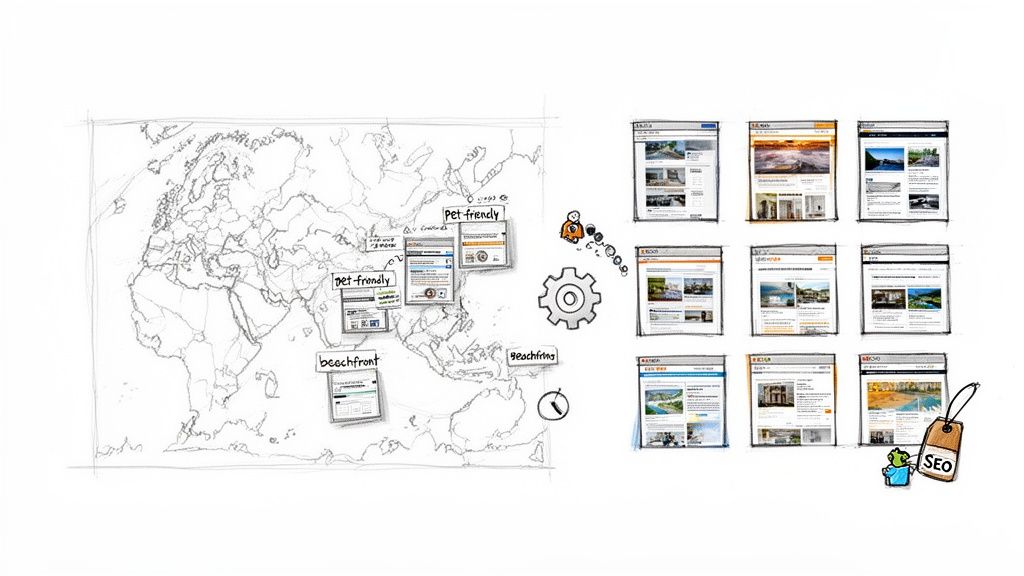
By systematically targeting these niche queries, you can dominate search results for specific guest needs, driving qualified leads directly to your booking engine. It’s about building a wide, deep net to catch traffic that broader, more generic strategies miss.
How to Implement It
- Identify High-Value Keyword Templates: Research and define keyword patterns that combine locations with amenities or property types. Examples include "[City] vacation rentals with a pool" or "Beachfront [Property Type] in [Neighborhood]." Focus on combinations with proven search volume.
- Leverage a Programmatic SEO Tool: Manually creating thousands of pages is impractical. Use a platform like hostFront to automatically generate these unique, optimized landing pages based on your property data and keyword templates.
- Enrich Content with Unique Details: Ensure each generated page offers genuine value. Automatically pull in relevant property listings, unique descriptions, local attraction information, and seasonal travel tips to make each page a useful resource for travelers.
- Build a Strong Internal Linking Structure: Implement an automated internal linking system so your generated pages link to each other logically (e.g., a page for "Austin" links to "Downtown Austin"). This helps Google crawl your site efficiently and distributes SEO authority.
Case Note: A property management company with listings in over 50 cities used programmatic SEO to create 2,000+ unique landing pages targeting amenity and location keywords. This led to a 300% increase in organic traffic and a 45% uplift in direct bookings from non-branded search queries over six months.
3. Email Marketing Automation and Guest Nurturing
Email marketing automation is a powerful hotel marketing strategy that involves sending targeted, personalized messages to guests at key moments in their journey. Instead of manual one-off campaigns, this approach uses behavioral triggers and segmentation to deliver the right message at the right time, from pre-booking inquiries to post-stay follow-ups. The primary goal is to build lasting guest relationships, encourage repeat bookings, and maximize lifetime value.
By automating communication, you can stay engaged with every guest without lifting a finger, turning one-time visitors into loyal advocates for your brand. This strategy keeps your property top-of-mind and consistently drives revenue throughout the year.
How to Implement It
- Segment Your Audience: Group your contacts into meaningful lists, such as first-time guests, repeat visitors, corporate travelers, or guests who booked specific room types. This allows you to send highly relevant content.
- Create Automated Workflows: Set up trigger-based email sequences. Examples include a welcome series for new subscribers, booking confirmation and pre-arrival guides, post-stay feedback requests, and "we miss you" campaigns for past guests who haven't rebooked.
- Personalize Your Content: Use personalization tokens to include the guest's name, booking details, or past stay information. A tool like hostMail can automate this process, making every email feel like a one-to-one conversation.
- Focus on Value: Don't just send promotions. Share valuable content like local travel guides, event calendars, or exclusive tips for enjoying your property. This builds trust and positions you as a helpful resource, not just a place to stay.
Case Note: An aparthotel in London set up an automated post-stay email sequence. The first email asked for a review, and a follow-up 30 days later offered a "Welcome Back" 15% discount for their next booking. This simple workflow generated an 18% repeat booking rate from the email list alone.
For more insights on building guest loyalty, explore this guide on mastering hospitality email marketing.
4. Guest Review and Reputation Management
Guest review and reputation management is a critical hotel marketing strategy that involves actively collecting, monitoring, and responding to guest feedback across all platforms. The goal is to build powerful social proof that influences new bookings, enhances brand credibility, and uncovers valuable operational insights. In an era where 95% of travelers read reviews before booking, a strong online reputation acts as a 24/7 sales tool, directly impacting conversion rates and revenue.
By systematically managing your reputation, you demonstrate a commitment to guest satisfaction that fosters trust and loyalty. This proactive approach turns positive feedback into compelling marketing assets and transforms negative feedback into opportunities for improvement and public displays of excellent customer service.
How to Implement It
- Automate Review Requests: Use your property management system (PMS) or a dedicated tool to automatically send a review request via email or SMS within 24-48 hours of checkout. Timing is crucial to catch guests while their experience is still fresh.
- Respond to Every Review: Make it a policy to respond to all reviews, both positive and negative, within 24 hours. Thank guests for positive feedback and address negative comments professionally, offering solutions and showing empathy. This shows prospective guests you care.
- Leverage Positive Reviews as Marketing Assets: Showcase your best reviews on your website’s homepage, in social media posts, and within email marketing campaigns. Featuring glowing testimonials provides authentic social proof that is more convincing than traditional advertising.
- Analyze Feedback for Operational Improvements: Regularly analyze review content to identify recurring themes or issues. Use this feedback to make tangible improvements to your property or services, such as upgrading Wi-Fi, refining the check-in process, or improving cleanliness standards.
Case Note: A collection of vacation rentals in Asheville saw a 35% increase in bookings after implementing a systematic review management process. By reaching a 4.9-star average rating on major OTAs and featuring top reviews on their direct booking site, they significantly boosted trust and conversion rates.
5. Personalized Dynamic Pricing Strategy
A personalized dynamic pricing strategy moves beyond static, seasonal rates by using intelligent algorithms to adjust nightly prices in real-time. This advanced hotel marketing strategy analyzes a multitude of factors, including market demand, seasonality, local events, competitor pricing, and even day-of-the-week trends to automatically find the optimal price point. The goal is to perfectly balance occupancy and revenue, ensuring you aren't leaving money on the table during high-demand periods or losing bookings to competitors during slower times.
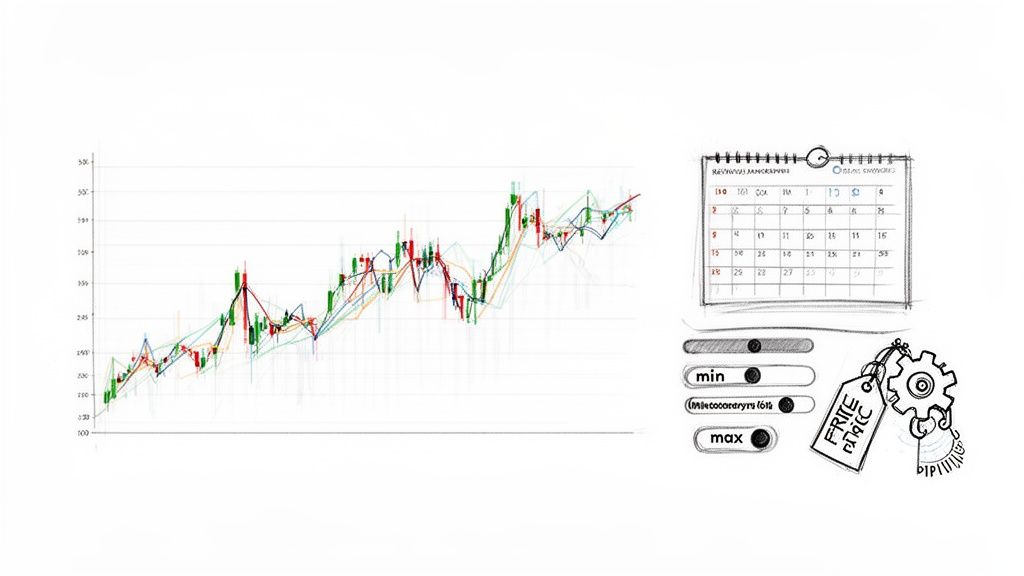
By leveraging data-driven automation, you can maximize your revenue per available room (RevPAR) without constant manual adjustments. This allows your pricing to be agile, competitive, and highly responsive to subtle shifts in the market.
How to Implement It
- Adopt a Pricing Intelligence Tool: Manually tracking all pricing variables is nearly impossible. Use an AI-powered tool like hostAI to automate rate optimization. These systems process thousands of data points to recommend and set the ideal price for every single night.
- Establish Smart Pricing Rules: Set your core pricing logic with minimum and maximum rate thresholds to protect your brand and profitability. Create rules for last-minute discounts to fill vacant nights or premium pricing for holiday weekends and major local events like concerts or festivals.
- Segment Your Pricing: Not all guests are the same. Implement pricing adjustments for different guest segments, such as offering a slight discount for longer stays to attract families or weekly renters, while maintaining higher rates for short, two-night weekend getaways.
- Monitor and Refine: Regularly review your pricing strategy's performance. Analyze your occupancy rates, booking pace, and RevPAR to identify trends. Use this data to fine-tune your minimum stay requirements, weekend premiums, and discount triggers.
Case Note: A property manager with several condos near a convention center integrated a dynamic pricing tool. The system automatically increased rates by 40-60% during a major tech conference, capturing an extra $12,000 in revenue that month. Conversely, it applied a 15% last-minute discount during a slow week, filling two units that would have otherwise remained empty.
To effectively manage these fluctuating rates across channels, integrating a robust short-term rental booking software is crucial for maintaining calendar synchronization and avoiding double bookings.
6. Omnichannel Marketing and Consistent Branding
Omnichannel marketing is a hotel marketing strategy centered on creating a seamless and consistent brand experience for guests across every platform and touchpoint. This includes your website, email campaigns, social media profiles, OTA listings, and paid advertisements. The goal is to build brand recognition and trust by ensuring your messaging, visuals, and tone of voice are unified, no matter where a potential guest interacts with you.
This cohesive approach strengthens your brand identity and makes your property more memorable in a crowded market. By presenting a consistent image, you build credibility and guide guests through a fluid journey from discovery to booking, reinforcing their decision to choose your property.
How to Implement It
- Establish a Brand Hub: Your direct booking website is the core of your brand. Use a tool like hostFront to build a professional site that perfectly reflects your visual identity, from logos and colors to typography. This site becomes the "source of truth" for your brand.
- Create Brand Guidelines: Develop a simple document outlining your brand’s logo usage, color palette, fonts, and tone of voice. Share this with your team to ensure all marketing materials, from social media posts to confirmation emails, are consistent.
- Synchronize Property Listings: Ensure your property photos, descriptions, and listed amenities are identical across all channels, including Airbnb, Vrbo, and Booking.com. Inconsistencies can create confusion and erode trust.
- Unify Communication: Design templates for recurring guest communications like booking confirmations, pre-arrival instructions, and post-stay feedback requests. This ensures your brand voice remains consistent throughout the entire guest lifecycle. To maintain a unified brand presence across all customer touchpoints, a deep dive into What Is Omnichannel Marketing And How Does It Work reveals its strategic importance.
Case Note: A collection of vacation rentals in the Catskills was struggling with a fragmented brand presence. By creating a unified brand guide and updating all their listings on OTAs and social media to match their new website's aesthetic, they saw a 30% increase in repeat guest inquiries. Guests cited the professional and trustworthy appearance as a key factor.
7. Retargeting and Programmatic Advertising
Retargeting is a powerful hotel marketing strategy that re-engages potential guests who have visited your website but left without booking. Using pixel-based tracking, it shows them targeted ads for your property as they browse other sites, social media, and apps. Programmatic advertising automates this process, using AI to buy and place ads in real-time to reach high-intent audiences with maximum efficiency.
This one-two punch ensures your property stays top-of-mind during the crucial consideration phase of a guest's booking journey. By reminding them of the unique experience you offer, you can effectively recapture lost leads and convert interested browsers into confirmed guests, significantly boosting your conversion rates.
How to Implement It
- Segment Your Audiences: Don't treat all website visitors the same. Create distinct audience segments based on their on-site behavior, such as those who viewed a specific property, checked availability for certain dates, or abandoned the booking process at the payment stage.
- Create Dynamic, Relevant Ads: Serve ads that are highly relevant to the user's previous actions. Show them images of the exact property they viewed or an exclusive offer related to the dates they searched. This personalized approach dramatically increases ad effectiveness.
- Automate with the Right Tools: Use a platform like hostDistro to simplify the setup and management of your retargeting campaigns. It can help you place pixels, build audiences, and launch ads across Google and Facebook without needing deep technical expertise.
- Set Frequency Caps and Monitor Performance: To avoid annoying potential guests, set a frequency cap to limit how often one person sees your ad (e.g., 3-5 impressions per day). Continuously monitor your campaign's return on investment (ROI) and A/B test different ad creatives and offers to optimize results.
Case Note: A property management company in Colorado implemented a retargeting campaign targeting users who abandoned the booking checkout page. The ads featured a "Complete Your Booking & Get a Free Ski Pass" offer. This simple campaign recovered 18% of abandoned carts, generating over $25,000 in additional revenue in a single winter season.
For a deeper dive into the tools that power these campaigns, explore this guide on the best programmatic advertising platforms.
8. Strategic OTA Integration and Channel Management
Strategic OTA integration is a hotel marketing strategy that balances a strong direct booking focus with a calculated presence on Online Travel Agencies (OTAs) like Airbnb, Vrbo, and Booking.com. Rather than viewing OTAs as competitors, this approach leverages them as powerful marketing channels to capture broad demand, increase brand visibility, and gather valuable market data. The goal is to maximize occupancy by being where travelers are looking, while using that exposure to funnel future business to your direct channels.
This multi-channel approach uses a channel manager to synchronize calendars, rates, and listings, preventing double bookings and streamlining operations. It’s about intelligently using the massive reach of OTAs as a billboard for your property, converting that initial brand discovery into long-term guest relationships.
How to Implement It
- Select OTAs Strategically: Don't list everywhere. Identify the OTAs that best reach your target demographic. For example, use Airbnb for travelers seeking unique experiences, Vrbo for family groups, and Booking.com to capture the corporate or international travel segment.
- Use a Channel Manager: A tool like Hostaway is essential. It automatically syncs your availability and pricing across all channels, including your direct booking site. This eliminates the risk of overbooking and saves countless hours of manual updates.
- Optimize Every Listing: Ensure your listings are top-tier on every platform. Use professional photos, compelling and detailed descriptions, and highlight unique amenities. Consistency across channels builds brand trust.
- Analyze Cross-Channel Performance: Use OTA analytics to understand booking patterns, lead times, and guest demographics from each source. This data is invaluable for refining your direct marketing strategies, identifying which guest segments to target with specific offers.
Case Note: A property management company with cabins in the Smoky Mountains used a channel manager to list on both Airbnb and Vrbo. They discovered Vrbo drove longer, higher-value family stays, while Airbnb brought in more last-minute weekend travelers. They adjusted their direct marketing to create separate campaigns targeting these two distinct segments, boosting overall revenue by 18%.
9. Strategic Content Marketing and Guest Guides
Strategic content marketing is a powerful hotel marketing strategy that goes beyond simple property descriptions. It involves creating and distributing valuable, relevant, and consistent content to attract and retain a clearly defined audience, ultimately driving profitable guest action. This positions your brand as an expert local guide and a trusted resource, building authority and engaging potential guests long before they are ready to book.
By providing content that solves problems or inspires travel, like a guide to local hidden gems or seasonal packing lists, you build a relationship with potential guests. This approach nurtures leads, improves SEO, and establishes your property as the go-to choice for an authentic local experience.
How to Implement It
- Develop a Content Calendar: Plan your content around seasons, local events, and guest interests. Create blog posts like "The 10 Best Family-Friendly Hikes Near Our Cabin" or video tours of local farmers' markets to attract targeted search traffic.
- Create In-Depth Guest Guides: Compile your local expertise into comprehensive digital guides. Cover topics like the best local coffee shops, rainy-day activities, or romantic dinner spots. This adds immense value and can be sent to guests post-booking to enhance their stay.
- Leverage Email Newsletters: Use a tool like hostMail to distribute your content directly to past guests and potential leads. Share seasonal travel ideas, highlight a "local business of the month," or offer exclusive access to a new guide to keep your property top-of-mind.
- Optimize for Local SEO: Ensure all your content is optimized with location-specific keywords (e.g., "things to do in Asheville in fall"). This helps you capture traffic from travelers actively researching your destination, positioning your property as the ideal home base for their adventures.
Case Note: A collection of vacation rentals in Scottsdale, Arizona, created a series of blog posts and a downloadable PDF guide titled "Your Ultimate Guide to Scottsdale's Golf Courses." They promoted it via social media and email, capturing leads and ranking on the first page of Google for related searches. This strategy directly led to a 15% increase in off-season bookings from golf enthusiasts.
For further inspiration, check out these creative vacation rental blog ideas that can captivate and convert your audience.
10. Social Media Marketing and User-Generated Content
Social media marketing is a vital strategy that leverages platforms like Instagram, Facebook, and TikTok to visually showcase your property, engage with past and potential guests, and build a vibrant community. The core objective is to create compelling content that not only attracts followers but also encourages them to share their own experiences, generating powerful, authentic social proof known as User-Generated Content (UGC).
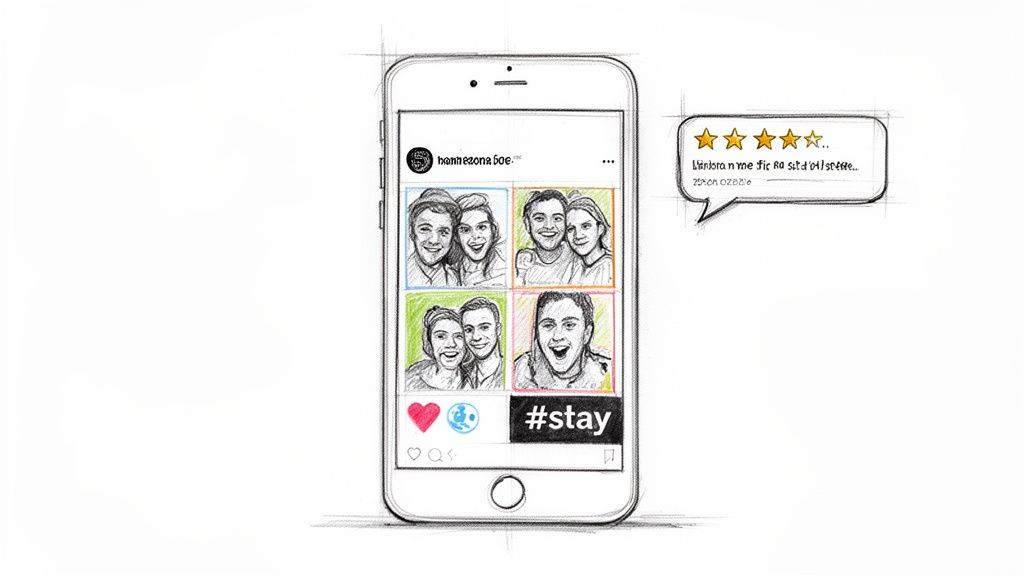
This approach transforms your social channels from simple advertising platforms into dynamic hubs of brand storytelling and guest interaction. By highlighting real guest photos and experiences, you build unparalleled trust and create a FOMO (fear of missing out) effect that drives direct bookings more effectively than traditional ads.
How to Implement It
- Create Visually Stunning Content: Post high-quality photos and videos consistently (4-5 times per week). Use Instagram Reels and TikToks for property tours, behind-the-scenes glimpses, or local area guides to reach wider audiences with engaging, short-form video.
- Incentivize User-Generated Content: Actively encourage guests to share their memories. Create a unique, branded hashtag (e.g., #StayAtThePines) and promote it in your property and communications. Run photo contests or offer a small discount on a future stay for guests who tag your property.
- Engage Authentically with Your Community: Social media is a two-way street. Respond promptly to comments and direct messages, share guest posts to your Stories (with credit), and interact with content from local businesses to embed your property in the community.
- Partner with Influencers: Collaborate with local or travel influencers whose audience aligns with your ideal guest profile. A partnership can range from a gifted stay in exchange for content to a paid promotion, providing a significant boost in visibility and credibility.
Case Note: A cabin rental company in the Smoky Mountains created an Instagrammable photo spot on their property with a branded sign and a unique hashtag. They ran a monthly contest for the "best guest photo," reposting the winner. This strategy increased their tagged photos by 300% and directly led to a 15% rise in bookings from Instagram referrals.
For a deeper dive into creating effective social content, this video offers excellent tips:
Hotel Marketing Strategies: 10-Point Comparison
| Strategy | Implementation complexity | Resource requirements | Expected outcomes | Ideal use cases | Key advantages |
|---|---|---|---|---|---|
| Direct Booking Optimization | Medium — website CRO, SEO, retargeting setup | Web development, CRO tools, retargeting budget, ongoing maintenance | Higher margins, reduced OTA commissions; slower initial volume | Properties with repeat guests or strong brand seeking margin lift | Lowers OTA fees (15–30%), builds first‑party data, enables personalized upsells |
| Programmatic SEO and Content Marketing | High — AI/content pipeline + SEO governance | Programmatic content tools, SEO expertise, monitoring and QA | Scalable organic traffic growth over 3–6 months | Multi-property portfolios or location‑rich inventories | Automates long‑tail coverage, reduces PPC reliance, increases domain authority |
| Email Marketing Automation and Guest Nurturing | Medium — flow design, segmentation and testing | Email platform, templates, contact lists, compliance processes | Boosts repeat bookings (25–40%) and LTV | Properties with established guest databases | Personalized communication at scale, low cost per contact, drives upsells |
| Guest Review and Reputation Management | Low–Medium — process and monitoring workflows | Review tools, staff time for responses, automation for requests | Higher conversions (+30–50%) and improved local visibility | Properties seeking to build trust and increase conversion | Generates social proof, operational feedback, supports premium pricing |
| Personalized Dynamic Pricing Strategy | High — AI models and data integration | Historical data, pricing engine, monitoring and guardrails | Revenue lift (10–25%) and better occupancy balance | Listings with variable demand and sufficient booking history | Automated price optimization, responsive to events and competition |
| Omnichannel Marketing and Consistent Branding | High — cross‑channel coordination and governance | Brand assets, CMS, integrated tracking, team alignment | Improved brand recall and higher conversion via consistent experience | Brands aiming for premium positioning or multi‑channel scale | Unified guest experience, clearer attribution, streamlined scaling |
| Retargeting and Programmatic Advertising | Medium–High — pixel setup and programmatic stack | Ad budget, tracking pixels, creatives, campaign management | Converts warm leads, lowers CAC, higher ROI vs cold traffic | Sites with decent traffic and abandoned bookings | Reaches interested visitors, dynamic creatives, strong ROI potential |
| Strategic OTA Integration and Channel Management | Medium — channel manager + listing optimization | Channel manager, listing assets, staff time for multi‑platform management | Broad demand capture; lower margins due to commissions | New properties needing visibility or diversifying distribution | Access to large demand pools, market benchmarking, simplified inventory sync |
| Strategic Content Marketing and Guest Guides | Medium — ongoing content creation and promotion | Writers/creators, distribution channels, SEO optimization | Long‑term organic traffic, guest engagement, brand authority | Properties in compelling destinations or niche experiences | Evergreen assets, builds trust and SEO, supports cross‑channel content |
| Social Media Marketing and User‑Generated Content | Medium — content cadence and community engagement | Visual content creation, community management, occasional ad spend | Increased awareness and social proof; attribution may be indirect | Visually appealing properties targeting younger or social audiences | Wide reach, authentic UGC, influencer and engagement opportunities |
From Strategy to Execution: Your Path to Doubling Direct Revenue
You've just explored a comprehensive toolkit of high-impact hotel marketing strategies designed to move your short-term rental business beyond platform dependency and into a new era of growth. From optimizing your direct booking engine to mastering programmatic SEO and nurturing guest relationships through sophisticated email automation, the path to greater profitability is clear. We've covered the critical importance of reputation management, the revenue-boosting power of dynamic pricing, and the cohesive brand experience created by an omnichannel approach.
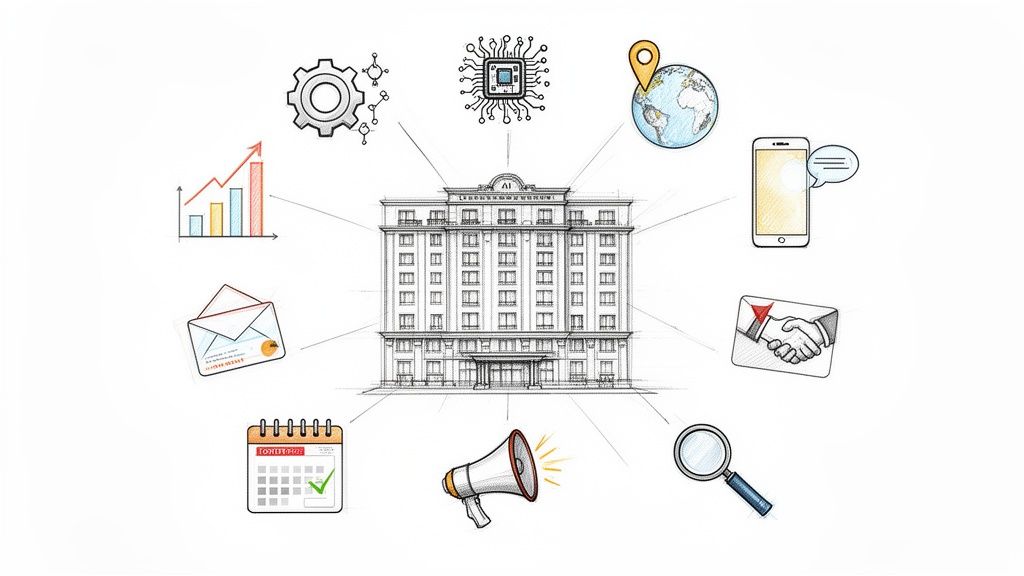
The key takeaway isn't to simply pick one or two of these tactics. The real magic happens when you see them not as a menu of options, but as interconnected gears in a powerful marketing machine. Your content marketing efforts fuel your direct booking site. Your strategic OTA management fills occupancy gaps while driving traffic back to your brand. Your retargeting campaigns recapture lost leads, and your sterling guest reviews provide the social proof needed to close the deal. Each strategy amplifies the others, creating a virtuous cycle of guest acquisition, retention, and advocacy.
Weaving Your Strategies into a Cohesive System
Executing this requires a shift in mindset from being a reactive host to a proactive marketer. It means moving beyond a patchwork of disconnected tools and embracing an integrated system. Imagine trying to run a dynamic pricing strategy without data from your channel manager, or attempting a retargeting campaign without a pixel on your direct booking site. It quickly becomes inefficient and overwhelming.
The most successful property managers build a robust marketing stack where data flows seamlessly between components. This integration is what turns a collection of good ideas into a scalable, revenue-generating engine.
Key Insight: A winning marketing plan is not about doing everything at once. It's about building a foundational system where each new strategy you implement strengthens the entire structure, creating compounding returns on your efforts.
Your Actionable Next Steps to Success
Feeling inspired but not sure where to start? Don't let the scope of these hotel marketing strategies intimidate you. Break it down into manageable steps:
- Audit Your Foundation: Begin with your direct booking website. Is it fast, mobile-friendly, and optimized for conversion? This is the central hub of your marketing efforts and must be flawless.
- Prioritize One Acquisition Channel: Choose either programmatic SEO for long-term organic growth or a targeted social media campaign for immediate engagement. Focus on mastering one before adding another.
- Implement an Automation Layer: Set up a basic email nurture sequence for past guests. This is low-hanging fruit for securing repeat bookings and is one of the highest ROI activities you can undertake.
- Measure and Iterate: For every strategy you implement, define your KPIs from the start. Track your booking sources, conversion rates, and guest lifetime value. Use this data to refine your approach continuously.
Mastering these modern hotel marketing strategies is no longer a luxury; it's a necessity for building a resilient, profitable, and scalable hospitality brand. By taking a strategic, integrated approach, you can systematically reduce your reliance on OTAs, build lasting guest relationships, and take direct control of your business's future.
Ready to unify your marketing efforts and unlock your property's true potential? hostAI provides an all-in-one platform designed to execute these advanced hotel marketing strategies seamlessly. From a high-converting direct booking engine to powerful email automation and channel management, discover how our integrated system can help you build your brand and boost your revenue at hostAI.